
图论算法(一)--最短路径的DFS/BFS解法(JAVA)
最短路径--城市路径问题:
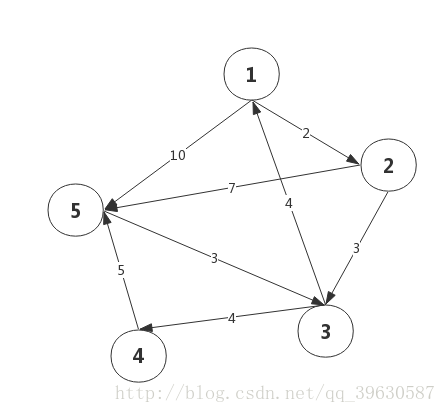
问题描述:求从1号城市到5号城市的最短路径长度
 Input:
5 8
1 2 2
1 5 10
2 3 3
2 5 7
3 1 4
3 4 4
4 5 5
5 3 3
Output:
9
Input:
5 8
1 2 2
1 5 10
2 3 3
2 5 7
3 1 4
3 4 4
4 5 5
5 3 3
Output:
9
DFS
1
2
3
4
5
6
7
8
9
10
11
12
13
14
15
16
17
18
19
20
21
22
23
24
25
26
27
28
29
30
31
32
33
34
35
36
37
38
39
40
41
42
43
44
45
46
47
48
49
50
51
52
53
54
55
56
57
58
59
60
61
62
63
64
import java.util.Scanner;
public class minPath {
static int min = 99999999;
static int[][] e = new int[100][100];
static int[] book = new int[100];
static int n, m;
static Scanner input = new Scanner(System.in);
public static void main(String[] args) {
n = input.nextInt();
m = input.nextInt();
for (int i = 1; i <= n; i++) {
for (int j = 1; j <= m; j++) {
if (i == j) {
e[i][j] = 0;
} else {
e[i][j] = 99999999;
}
}
}
for (int i = 1; i <= m; i++) {
int a = input.nextInt();
int b = input.nextInt();
int c = input.nextInt();
e[a][b] = c;
}
book[1] = 1;
dfs(1, 0);
System.out.println(min);
}
public static void dfs(int cur, int dis) {
/**
* 如果当前路径大于之前找到的最小值,可直接返回
* */
if (dis > min) {
return;
}
/**
* 判断是否达到最后一个结点,更新最小值,返回
* */
if(cur == n) {
if (dis < min) {
min = dis;
return;
}
}
/**
* 当前点到其他各点之间可连通但是还未添加进来时,遍历执行
* */
for (int i = 1; i <= n; i++) {
if (e[cur][i] != 99999999 && book[i] == 0) {
book[i] = 1;
dfs(i, dis+e[cur][i]);
/**
* 回溯
**/
book[i] = 0;
}
}
return;
}
}
最短路径--转乘问题:
问题描述:求从1号城市到5号城市的最短路径长度
Input:
5 7 1 5
1 2
1 3
2 3
2 4
3 4
3 5
4 5
Output:
2
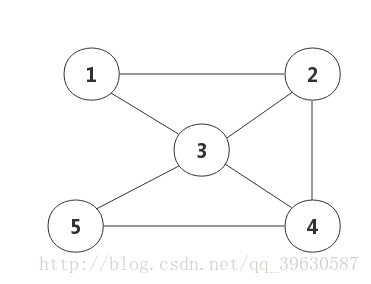 这个题目与上一个的区别就在于,这些路径是没有权值的,也就是说只需要找出到达一个点的最短距离就可以了,记录次数即可。
BFS
1
2
3
4
5
6
7
8
9
10
11
12
13
14
15
16
17
18
19
20
21
22
23
24
25
26
27
28
29
30
31
32
33
34
35
36
37
38
39
40
41
42
43
44
45
46
47
48
49
50
51
52
53
54
55
56
57
58
59
60
61
62
63
64
65
66
67
68
69
70
71
72
import java.util.LinkedList;
import java.util.Queue;
import java.util.Scanner;
class node {
int x;
int s;
node(int x, int s) {
this.x = x;
this.s = s;
}
}
public class minPath {
static int[][] e = new int[51][51];
static int[] book = new int[51];
static int n, m;
static int start, end;
static int mark, sum;
static Queue<node> queue = new LinkedList<>();
static Scanner input = new Scanner(System.in);
public static void main(String[] args) {
n = input.nextInt();
m = input.nextInt();
start = input.nextInt();
end = input.nextInt();
for (int i = 1; i <= n; i++) {
for (int j = 0; j <= m; j++) {
if (i == j) {
e[i][j] = 0;
} else {
e[i][j] = 99999999;
}
}
}
for (int i = 1; i <= m; i++) {
int a = input.nextInt();
int b = input.nextInt();
e[a][b] = 1;
e[b][a] = 1;
}
queue.offer(new node(start, 0));
book[1] = start;
bfs();
System.out.println(sum);
}
public static void bfs() {
int flag = 0;
while (!queue.isEmpty()) {
int cur = queue.peek().x;
for (int i = 1; i <= n; i++) {
if(e[cur][i] != 99999999 && book[i] == 0) {
mark = i;
sum = queue.peek().s + 1;
queue.offer(new node(i, sum));
book[i] = 1;
}
if(mark == end) {
flag = 1;
break;
}
}
if(flag == 1) {
break;
}
queue.remove();
}
return;
}
}
基本上能用深度优先的问题都可以用广度优先,但是广度优先更适合无向图,或者说所有边的权值一样的情况,大家可以通过多做题灵活使用这两种方法